

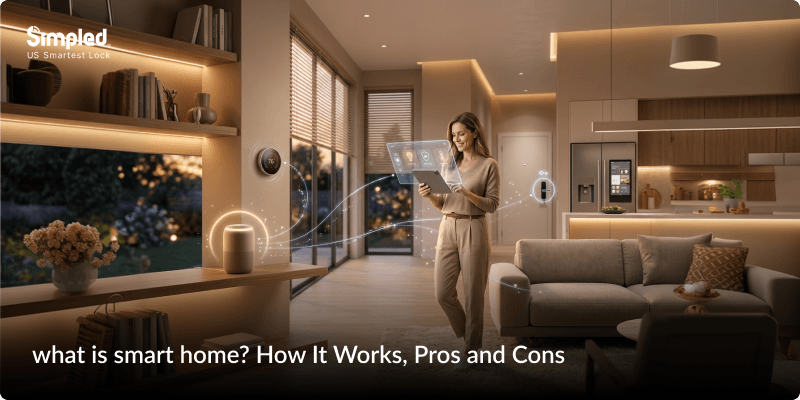
No flipping of switches or use of apps required, all based on intelligent automation recognizing your arrival. Whether you are an Airbnb host wanting to automate guest access and improve security or simply a homeowner wanting to optimize energy efficiency and comfort, a smart home uses devices and cloud-based platforms to create an intelligent environment. It also responds to an individual’s needs and lifestyle. In this guide, we unpack what is smart home and how smart home technology works to help you set up an intelligent system that matches your goals.
What Is a Smart Home?
A smart home is a connected living space where devices,from lighting and locks to thermostats,communicate through a central network to enhance security and energy efficiency. Beyond mere novelty, modern smart technology offers Airbnb hosts and homeowners seamless control via smartphones or voice assistants like Alexa, turning everyday houses into intuitive, design-driven environments.
Combining smart lighting, heating, and access control for one system at home, it is evident that the most important aspect of smart home technology is not convenience but predictability.
Lighting changes automatically with sunset time, heating depends on presence as opposed to time-sensitive programming, and guest access is without the need to be present.
What is a smart home system?
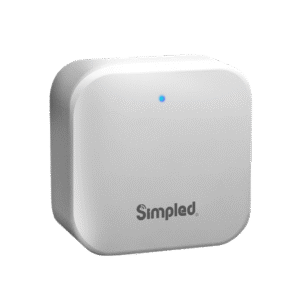
A home automation system acts as the intelligence of your home by controlling all the devices that are connected to it through automations and timer functions. Unlike the latest smart devices that are cloud-connected, thus controlling the home from the cloud, such as Amazon Alexa, Google Home, among others, the hub connects all devices to give your entire home automated control.
Using new standards like Matter enables the mixing of devices produced by different manufacturers, and Thread provides greater speed, reliability, and safety at the network level.
The combined use of smart home products and services enables the creation of an efficient, safe, and connected smart home ecosystem for all occupants, regardless of their age or ability to use technology.
What are some smart home ideas?
Here are 3 examples of ways to automate your home with real-life solutions that fit in with what you do every day.
Circadian Lighting System
You can increase productivity in your remote work situation through light programming based on the natural light sequence that corresponds with your body’s circadian rhythms. When you are working, light should be more white to mimic daylight, whereas, in the evenings, when it’s time to relax and prepare for sleep, use warmer, amber toned lights.
Keyless and Frictionless Entry
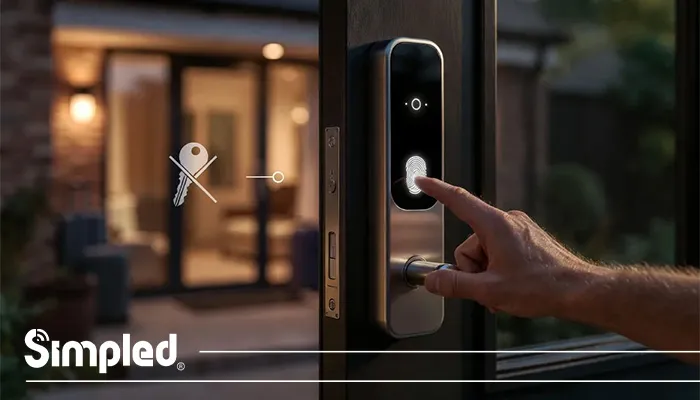
Using smart locks means that you don’t need physical keys, and managing entry points becomes much simpler. For example, as an Airbnb host, you create unique access codes that can only be used during specific time slots for each individual or group who will enter your unit, such as guests, cleaning personnel, or repair persons; and you can do this remotely and change the access codes for a particular guest after they have checked in.
Pro-Active AI Enhanced Security
Today’s security systems are not just video recording. Edge based AI enabled cameras can distinguish between an actual person, an animal or a car approaching your house; therefore, reducing false alerts, and enabling protection of the property in real-time.
How do Smart Homes Work?
Smart homes function as a cohesive ecosystem where devices operate through the integration of smart devices, applications, and connectivity within a single smart system. It also reacts accordingly based on your preference.
Behind the scenes, smart home tech combines the concepts of automation, the internet, and real-time information for a more comfortable, secured, and efficient living place. This is how do smart homes work.
How does smart home technology works?
At its core, smart home technology functions through a network of devices that communicate via standardized protocols like Wi-Fi, Zigbee, Z-Wave, and the new industry standard, Matter. These devices don’t just connect; they work in a “Trigger and Action” cycle to automate your lifestyle.
While the industry often refers to this as “home automation,” the true value lies in how these digital networks adapt to your daily rhythms. This is achieved through:
- Triggers: A motion sensor detects movement or a camera captures a person.
- Actions: The system automatically switches on the Smart Light Bulbs or sends an instant push notification to your smartphone.
- Routines: Pre-set schedules that manage energy efficiency and security without manual input.
This seamless flow of real-time data ensures your home is not just “connected,” but truly intelligent, providing a safer and more efficient living environment.
Smart Lock: Where Safety Meets Smart Security
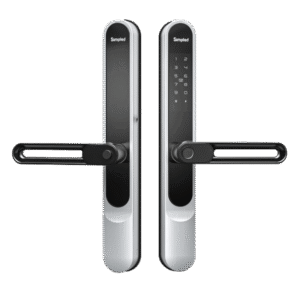
A smart lock is more than just a keyless lock, it’s a whole new way of looking at home security and access solutions. This smart security system can replace or complement your conventional locks.
Smart locks give you the ability to lock and unlock your doors using your smartphones or keypad entry and biometric verification systems. For security matters, smart locks are more convenient and monitored.
You will be able to see who is going in and out of your house at any given time, and the system will notify you automatically of any detailed action.
Access codes can only be used for a short period of time, such as visitors and cleaning staff. Concerning safety, smart locks can easily be integrated with all other smart home devices. With a combination of security cameras, alarms, and motion sensors, smart locks contribute to a wider safety system in a house.
Smart locks can automatically lock a door when a safety system is activated or turn on house lights if there is an unexpected entrance.
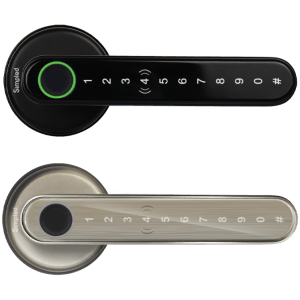
Smart Handle: The Intersection of Security and Style
Smart Handles typically feature a Fingerprint Reader, Touchpad, and Mobile App Interface. The advantages of these smart systems are:
- Sleek, modern aesthetic that fits with most modern designs
- Quick access to your door without the need for key or code
- Added security through biometric verification
- Compatibility with other smart home systems
Smart Handles are the best choice for homeowners who appreciate architectural design as well as cutting edge security; hence, they are becoming increasingly popular within the luxury residential community.
Smart Doorbell: First Step of Smart Home
A Smart Doorbell is a front-door surveillance solution with a special monitoring process. The smart device is fitted with a camera, microphone, internet connectivity, and the ability to enable the ringing to be heard through a remote interface and monitor before opening the door.
With such technology, one can monitor the doorbell remotely. Main features are:
- Video live streaming on your mobile phone
- Motion Detection and Alert Notification
- Two-way audio communication
- Recording video as security evidence
Smart doorbells are essential in fostering trust and creating a sense of tranquility, specially designed for families,telecommuters, and frequent travelers.
Smart Security Cameras: The Eyes of Your Home
Integrated security cameras are one of the most integral parts of smart home automation. They help in monitoring the inside and outside areas. They usually provide:
- High-definition video recording
- Night vision and motion detection
- Cloud or local video storage choices
- Remote viewing through Smartphone or Smart Home Hub
Smart Lighting and Outlets
Smart light bulbs and smart outlets enable users to control the lighting and other connected electrical devices in their home either through the internet via a mobile app or by automated triggers.
Imagine your hallway illuminating automatically as you pull into the driveway and minimizing energy waste by turning off any standby energy.
Smart light bulbs and smart outlets are considered to be the first step into the smart home world because they tend to be simple and affordable.
Smart Furniture and Smart Appliances: Redefining Home Intelligence
With smart appliances, the everyday household items we use will gain ‘intelligent’ capability through devices that respond to the way that users use them and optimize themselves.
Smart furniture and appliances come in many forms, including smart refrigerators that can track food usage, smart washing machines that can provide optimal water and energy usage, smart beds that adjust based on user comfort settings, and smart ovens that have remote monitoring via mobile apps.
By tracking the behavioral patterns of the users, smart furniture and smart appliances will improve their users’ comfort, convenience, and efficiency in their daily routines.
Smart Speaker and Smart TV
Smart speakers and smart TVs provide the user with a central hub for entertainment and a command center for the smart home by including voice-activated automation (e.g., light controls, lock controls, temperature controls)
Smart TVs turn the living room into one connected media room. Other than playing your favorite shows, they easily integrate with other smart devices. You can automatically dim the lights once a movie plays, get doorbell alerts on your screen, or pause it when someone actually rings the door.
This level of integration makes the entertainment immersive rather than just another activity. Smart speakers and Smart TVs together enhance the power of home automation; using a voice command you can watch a movie, change the lights and create an ambience to watch a movie with ease.
Smart Home Systems Wireless
The majority of the smart homes designed and developed in the modern world depend on wireless networks. The wireless smart home system provides the following advantages:
- Non-invasive installation for renters and homeowners
- Easy upgrades and expansions
- Remotely Access from Anywhere
Some changes might be required to the structure of the house. This applies especially to renters, Airbnb hosts, and contemporary residential spaces.
Are smart home devices energy efficient?
Lower carbon emissions, sharper usage patterns and real-time consumption insights shows that smart home devices are energy efficient. While smart home devices are designed for energy efficiency, the majority of energy savings will be achieved when a smart home leverages multiple tools (automation, real-time data from a connected smart home device, and user behaviour).
One area where the savings are most evident in smart heating and cooling systems. Smart thermostats have been developed to automatically learn when someone is home based on prior occupancy patterns, so they automatically adjust the thermostat based on the learned occupancy patterns.
Consequently, when no one is home during the heating season, smart thermostats turn off the heat. A significant reduction in a household’s total annual energy consumption will be realized by smart heating and cooling systems, especially during the winter months, when home heating costs are typically at their peak.
How Do You Make Your Home a Smart Home?
Turning your place into a smart home doesn’t have to mean ripping everything apart or buying a ton of gear at once. The smartest way is to start small, focus on what actually solves your daily problems, and build from there.
Here’s how most people (including me when I first started) approach it step by step:
- First, figure out your real priorities. Is it better security (like stronger door control and alerts)? More convenience (lights and locks that work without effort)? Or cutting energy bills (thermostats and outlets that don’t waste power)? Pick one or two goals to keep things focused.
- Next, choose compatible devices that match those needs. Look for Matter support if possible—it’s the easiest way to ensure things play well together down the road (Schlage locks, Philips Hue lights, Ecobee thermostats, etc.). Start with one or two items that give you the biggest immediate win.
- If you’re going beyond basics, add a smart home hub or controller (like Samsung SmartThings, Apple HomePod, Google Nest Hub, or Amazon Echo Show). It ties everything together locally for faster response and better privacy.
- Connect the devices through the app on your phone—most setups walk you through pairing in minutes.
- Finally, set up simple automations or routines. Examples: lights on when you arrive home, doors auto-lock at night, heat drops when the house empties. Test them, tweak as needed.
One quick win a lot of people love: a smart lock for the front door, especially if you’re an Airbnb host. Keyless entry with temporary codes makes guest check-ins secure and effortless—no more handing out physical keys or worrying about copies.
The key is momentum: start with something small that feels useful right away, then add more as you get comfortable. Before you know it, the whole house starts working smarter without you forcing it.
Pros and cons of smart homes
| Pros | Cons |
| Increased security and monitoring capability | Data privacy issues |
| Increased user convenience and automation | Cybersecurity risks |
| Increased energy efficiency | Internet dependency for control and operation |
| Modern and stylish living | Initial purchase and installation costs |
| Remote access and control capabilities | – |
What is the difference between a smart home and a normal home?
Unlike normal homes, which may appear identical to smart homes, the experience of residing in either type of home can be vastly different, as evidenced by the manner in which each responds to its occupant.
| Feature | Smart home | Normal home |
| Method of Control | Controlled remotely by smartphone, voice commands or automated programming | Manually using light switches, keys and remotes |
| Remote Access to your Home | Can be fully accessed and controlled from anywhere in the world | Cannot be remotely accessed from anywhere |
| Convenience | High; smart home systems will learn your daily habits and schedules | Low; users have to keep interacting with the smart home systems to make them user-friendly. |
| Data and Insights | Provides insight, alerts and details of the current system’s usage of the smart home; provides user with tools to manage their smart home effectively | No tools or insights are available |
| Modern Design | Sleek, fully-integrated and designed to meet the future trends of home automation and technology. | Traditional and have been around for many years without the innovations of smart home technology |
Conclusion
We have explained what is smart home. A smart home isn’t just devices, apps and technology; it’s how your home makes you feel. It’s the confidence of knowing your doors are secure even from hundreds of miles away, the comfort of lighting adjusting with your mood, and the quiet assurance that your home is working for you in the background.
Every day, your home should be easy to maintain, stylish and secure. Take the next step to enhance your living with Simpled’s professional assistance and security devices. Your home will become an intelligent, connected and stylish place to live.
FAQ
What purposes do you need for a smart home?
Increase Security,Comfort, Energy Savings, Accessibility to Daily Living Activities and Convenience to Perform Daily Living Activities in a Modern World.
What are the benefits of installing a smart home system?
Better Safety, Increased Automation, Increased Savings and Enhanced Lifestyle.
Will smart homes be safe against hackers?
Yes, if properly secured with good cybersecurity practices.
Do smart homes increase property value?
Smart features make many of the commodities in the market look attractive.



Leave a Reply